
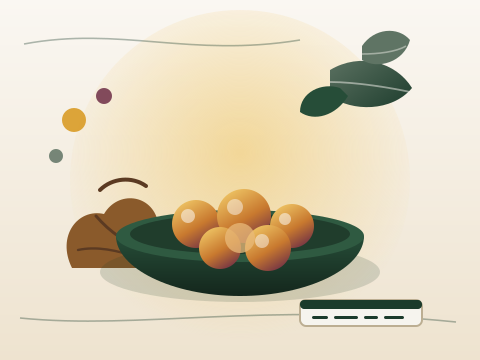
Sassafras Root
Root-bark depth with a root beer halo and a molasses close. The most requested small-batch confection we pull.
Batch SF-118 · 42 lb pullKettle run 41 Pulled 6 November
Wildacre is a two-kettle confection workshop on the east edge of Walla Walla, where sassafras root, horehound leaf, wild plum, and Bosc pear are reduced, poured, and cut into botanical hard drops the old way. Nothing here is extruded, nothing is rushed, and every tin carries its batch code on the lid.
Interactive tasting matcher
Three quick choices shape a curated tasting and gift summary you can copy and carry to the workbench or the holiday table. Change any answer and the recommendation reshapes itself.
We would steer you to the Spiced Pear & Wild Plum Orchard Set, a batch that lands slow-melting and smooth and packed for a keepsake gift tin.
Match ref: ORC-SLO-KEECraft manifesto
Our whole argument fits in one sentence: a hard drop should taste like the thing it is named after, and it should snap cleanly between the back teeth without a single soft center to rescue it.
That standard rules out most modern shortcuts. We cook in copper because copper holds heat evenly and tells us the color of the syrup before a thermometer ever does. We infuse roots and leaves overnight instead of dosing the batch with a flavor bottle at the end. We cut with a hand roller, which means no two drops are perfectly identical, and we count that as a signature rather than a flaw.
Sassafras root bark, horehound leaf, clove bud, and cassia are steeped in filtered water for twelve hours, then strained twice through linen. This is where the depth of a botanical hard drop is decided, long before sugar enters the room.
Cane sugar, orchard cider, and the infusion come up together to the hard-crack stage. The batch is watched by color and by the sound of the boil, with a brass thermometer as a second opinion.
Syrup is poured onto a marble slab oiled with a whisper of almond oil. Edges are folded inward as the sheet sets, which keeps the drop from developing a brittle rim.
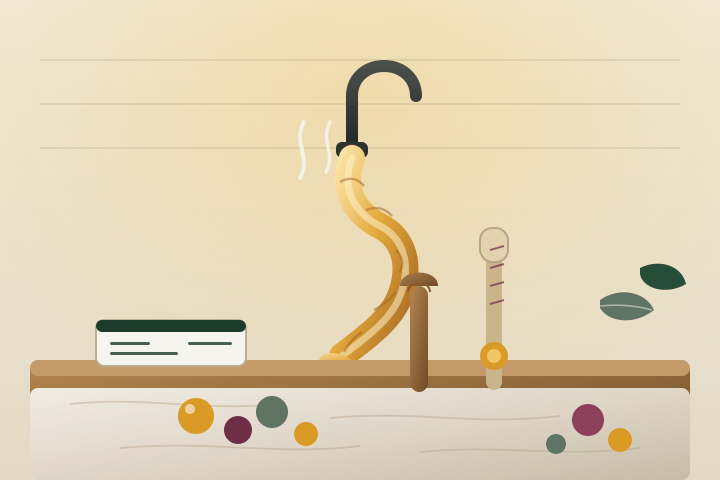
The cooling mass goes onto an iron hook and is pulled until it turns satin and stops shining. Air folded into the candy is what gives a slow-melt drop its soft, cloudy dissolve.
The rope is rolled to gauge on a maple board and cut with a hand roller. Drops rest for a full day before they are weighed into tins and stamped with the batch code.
Every run is entered into the workshop ledger with its kettle weight, infusion notes, and cut yield. Tins are lined with unbleached linen so the drops never sweat against metal.
Flavor families on the rail
Scroll the bench sideways →
Root-bark depth with a root beer halo and a molasses close. The most requested small-batch confection we pull.
Batch SF-118 · 42 lb pull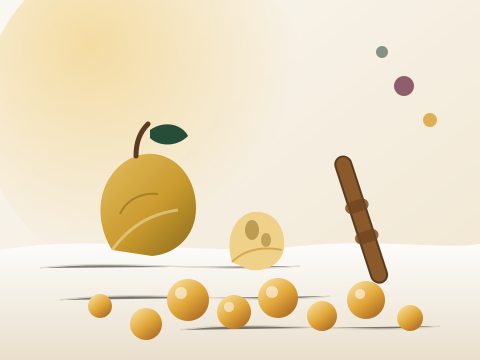
Reduced Bosc pear, clove, and cassia. Tastes like the last warm afternoon of an orchard season.
Batch PR-129 · 38 lb pull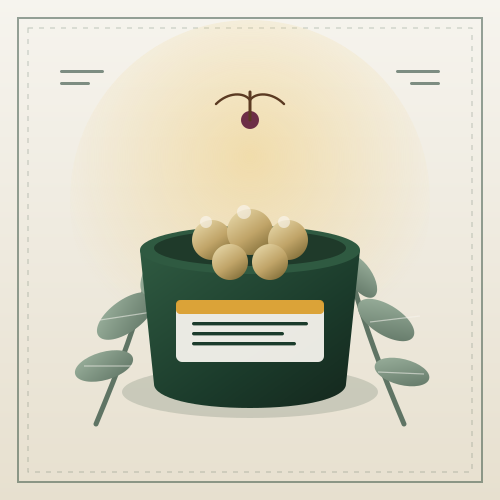
Cool and faintly bitter up front, then caramel. An old apothecary shelf flavor that never found a modern equal.
Batch HR-104 · 36 lb pull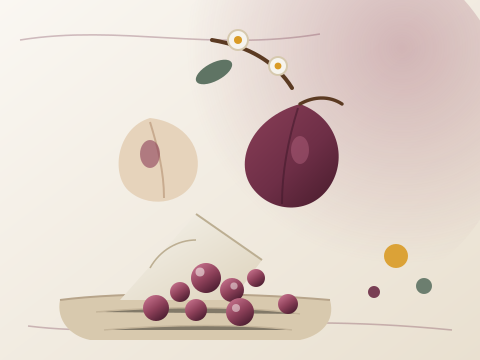
Puckery skin, dark jam middle, a bloom of tartness at the finish. Our darkest drop by a wide margin.
Batch WP-136 · 40 lb pull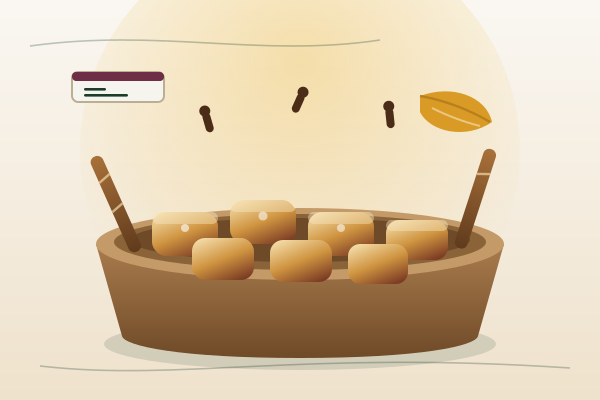
Soft-edged pillows that hold their shape in a family candy dish from November straight through January.
Batch CP-141 · 44 lb pullThe collection vault
Every collection below is a standing recipe from the workshop ledger. Filter by flavor family to see batch size, texture profile, gift suitability, and the pairing notes our cutters argue about.
Batch SF-118
A root beer drop for people who remember the real thing. Bark-forward, faintly smoky, long on the finish.
Batch PR-129
Reduced pear and orchard cider, warmed with clove and cassia. The batch that convinces skeptics.
Batch HR-104
An old-fashioned candy maker's staple. Herbal, cooling, unfashionably honest, and impossible to imitate.
Batch WP-136
Tart skin, dark jam, a flicker of bitterness at the edge. Deep huckleberry color straight from the fruit.
Batch CP-141
Soft-shouldered pillows built for a holiday bowl. Holds its shape, resists humidity, disappears quickly.
 Assembled daily
Four flavor families, one linen-lined tin, and a stamped card listing every batch code inside.
No collections sit in that family this week. Choose another flavor family.
Texture and sweetness matrix
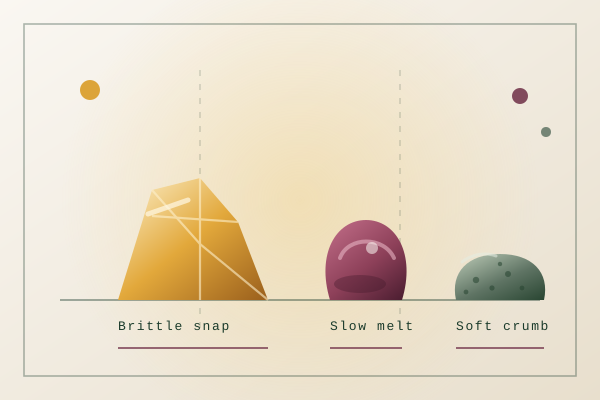
A hard drop is mostly about how it breaks. These are the readings our cutters keep on the bench wall, scored from one to five across each collection family.
| Collection family | Brittle snap | Sweetness | Herbal edge | Linger time |
|---|---|---|---|---|
| Sassafras root | 5 / 5 | 3 / 5 | 4 / 5 | Long |
| Spiced pear | 3 / 5 | 4 / 5 | 2 / 5 | Medium |
| Horehound leaf | 4 / 5 | 2 / 5 | 5 / 5 | Very long |
| Wild plum | 5 / 5 | 3 / 5 | 1 / 5 | Medium |
| Clove pillows | 2 / 5 | 4 / 5 | 3 / 5 | Short |
Regional heritage spotlight
Three traditions feed this workshop. Open a drawer to see what each one contributed to the recipes sitting in the vault today.
Apple and pear sheds once pressed cider so sweet it needed no sugar. Our orchard collections still start there: reduced fruit, pressed cider, and a short list of warm spices.
Long before candy counters, roots and leaves were steeped for flavor the way a pharmacist steeped them for other reasons. We kept the method and dropped everything else.
Glass jars, a brass scoop, and a paper sack twisted at the top. That counter is the reason our collections are built to be handled, shared, and refilled rather than admired.
Flavor and category atlas
These are the terms our regulars use when they call the workbench. Each one opens the collection section where the matching batch is described.
Batch questions
Most kettle runs are pulled at thirty-eight to sixty pounds of cooked sugar, yielding roughly nine hundred hand-cut drops. Seasonal orchard batches are capped at two runs a week so the fruit reduction stays fresh.
Clove and Cinnamon Pillows and the Sassafras Root Cabinet hold up best in an open dish. Both resist humidity and keep a clean, glassy snap for weeks on a holiday table.
A cool, faintly bitter herbal opening that settles into caramelized molasses. It reads more like strong black tea than like fruit candy, with a very long finish.
Sealed at room temperature, away from direct sun and stove heat. Hard drops hold texture for four to six months, and the linen-lined tins are built to be refilled for years.
Orchard collections use reduced fruit puree and pressed cider. Botanical collections rely on root and leaf infusions, including sassafras root, horehound leaf, clove bud, and cassia bark.
Yes. Single-family tins are the most common request from care package buyers. Build a profile in the Palate Forge and the summary will name the family worth starting with.
Come stand at the bench
Visitors are welcome during pull hours, when the sugar rope is still warm and the workshop smells of clove and cider. Write ahead and we will set a chair by the marble slab.
Wildacre Confection Works
1184 Orchard Loop Road
Walla Walla, Washington 99362
(509) 555-0143
wildacre.sweets@gmail.com